
Beyond the Pain: Endometriosis & Osteopathy

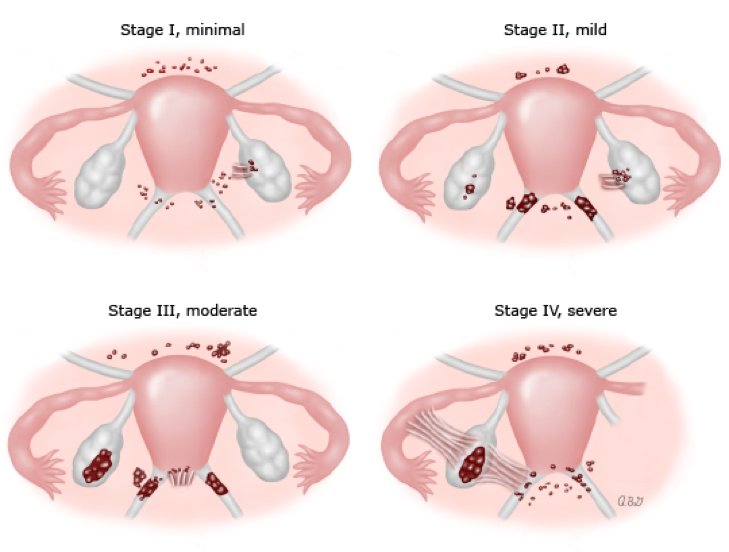
Endometriosis is often described as a condition that causes painful periods but if you live with it, you’ll realise it is much more complicated than that.
I became particularly interested in endometriosis through my own experience of living with the condition. Experiencing pelvic pain first-hand has given me a different perspective on what it actually means to manage persistent pain — not just physically, but in everyday life.
From a young age, I was told that my periods were normal. Despite it keeping me in bed for days at a time, ruining clothes and bedding each month and making me question my sanity - was I really just being dramatic over a period?
It took 8 years for me to be diagnosed and in the end I was terrified that I didn’t have it because of years of being gaslit. I had it removed from my pelvic floor and ureter and was diagnosed with stage III endometriosis. My symptoms didn’t disappear and I know they never will but having the opportunity to be in university alongside Osteopaths who had experience with women’s health conditions allowed me to recognise that symptom relief could be found with manual therapy.
So what is endometriosis (and how do you say it)?
Endometriosis (en-doh-mee-tree-oh-sis) is a chronic, oestrogen-dependent condition where endometrial-like tissue develops outside the uterus. It can affect different areas of the pelvis and beyond, and symptoms can vary significantly from person to person.
But one of the biggest things I've learnt — both personally and through researching the condition — is that endometriosis isn't just about period pain.
For me, pain isn't necessarily as straightforward as “the endometriosis is there, therefore it hurts.” There can be good days, bad days, different types of pain and symptoms that seem to change over time. Some people experience severe period pain, while others may have pain throughout the month. Symptoms can include pelvic pain, painful periods, pain during sex, bowel or bladder symptoms and lower back pain
And that's part of what makes endometriosis so difficult to understand and why a whole-person experience is to be considered, rather than just the location of the lesions.
Endometriosis and the body
Living with persistent pain can affect the way someone moves and uses their body.
Pain can lead to increased muscle tension, changes in movement and protective patterns around the pelvis, lower back and hips. This doesn't mean that these musculoskeletal changes cause endometriosis or vice versa.
Instead, they may become part of the wider pain experience.
Osteopathy and Endometriosis
Osteopathic care can have a role in managing some of the symptoms of endometriosis. Using a combination of muscular techniques to relax the areas that are painful, visceral techniques to provide pelvic relaxation and discussing management techniques with your osteopath can all be useful. This may include looking at movement, the pelvis and lumbar spine, surrounding musculature, breathing patterns and how the person is functioning day to day.
Treatment may involve hands-on techniques, movement and exercise advice, and strategies to help someone feel more comfortable and confident in their body.
There isn't one osteopathic technique that is appropriate for everyone with endometriosis. Pain severity, symptoms, previous experiences, sensitisation and other health conditions can all influence how someone responds to treatment.
Manual therapy has been suggested as a potential complementary approach for people with endometriosis, but it should not be considered a replacement for medical or specialist care. Current endometriosis management can include hormonal medication, pain medication and surgery, depending on the individual's symptoms and circumstances. However, these approaches don't necessarily address every aspect of living with persistent pain.
For someone with endometriosis, this might involve their GP, gynaecologist, pain specialist, physiotherapist, pelvic health professional and potentially an osteopath, depending on their individual needs.
Over the 3 years that I have been diagnosed, I have tried an array of combinations of treatments to manage my symptoms. What works for me is a combination of the excision surgery, hormonal contraception, manual therapy and gentle exercise.
Endometriosis pain is complex, and there is no single approach that works for everyone.
Therefore, managing endometriosis means looking beyond the lesions and understanding the whole person living with the condition - a holistic approach. This is something I wish I had the opportunity to have access to at a younger age.
Comments