
More Than a Broken Bone: The Physical and Emotional Challenges of Recovery

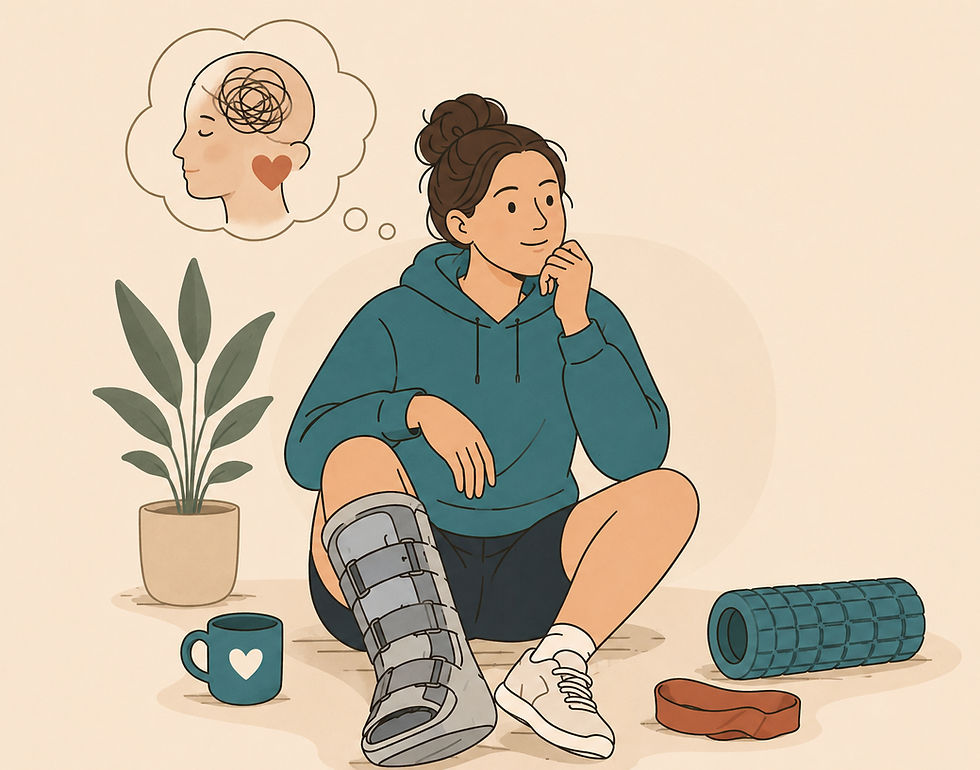
A few weeks ago, I was celebrating the end of my degree in Sussex. I fell about 6 inches on very uneven ground with my legs straight and heard a loud crack. My foot and ankle doubled in size and I couldn’t stand on that leg at all. I had a little cry (obviously), got carried to the car (with great difficulty) and decided that a visit to A&E was a good idea. After travelling back to Wales, I was so relieved to be back with my parents, only to land a week in hospital waiting for surgery to repair my lower leg. It was a huge ordeal and not just because my usual 10 hours of sleep were disrupted by 3 AM blood pressure checks.
One moment I was excited for summer - a holiday booked, graduation coming up and a new car on the horizon - and the next I was in hospital, wondering when I’d even be able to shower without my mum's help at the ripe age of 22. Things I had never given a second thought to are now huge challenges. I had just finished a four-year Master's degree and now couldn’t even kick the covers over me in bed at night.
I expected my leg to be painful, but I didn’t think the rest of my body would follow suit. My hip became stiff from constantly elevating my leg, my opposing leg began aching after taking the load for a few days and I became mentally drained from losing my independence.
Recovering from an injury isn’t just about healing a bone, ligament or muscle. Your body adapts and this causes further issues in places you didn’t expect. If you’ve recently injured your ankle, foot or lower leg, you might recognise these challenges. They are very common and are not always discussed. Understanding why they happen is the first step to making recovery a little bit easier!
Why Does The Rest of My Body Hurt?
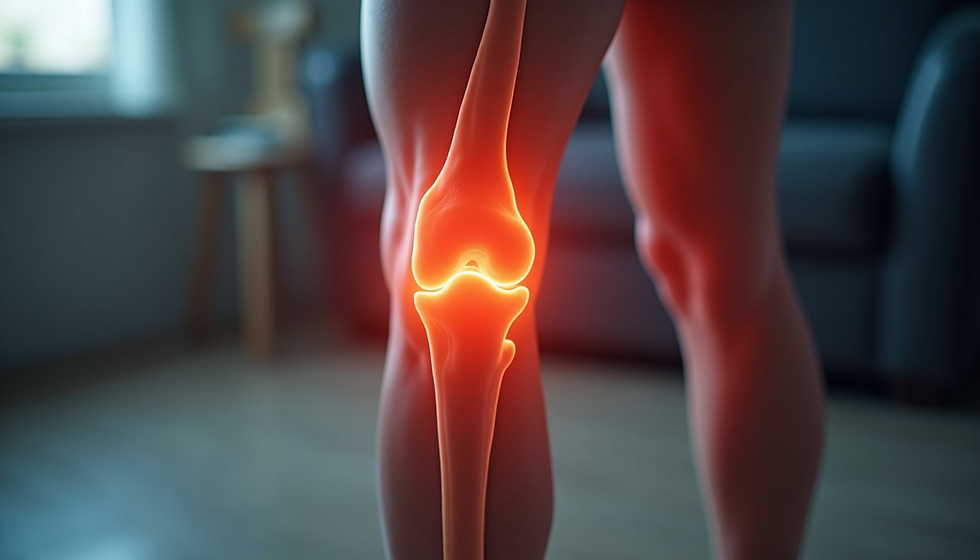
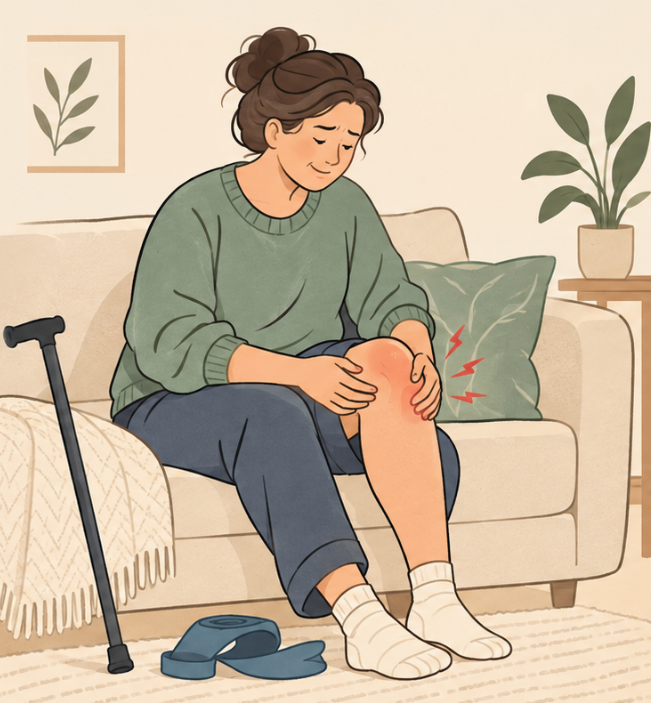
My knee on the opposite side of my injury is what has been giving me the most pain. Hopping, kneeling, getting me up and down the stairs, I can feel the stress it’s under! Turns out, the “good leg” isn’t so good after all.
The “good leg” is working overtime; everyone knows how that feels, awful. Your calf, hamstrings and quads are now taking more weight, making more steps, and putting in more effort, while the other one relaxes in its boot or cast. After a few days of doing all the work, I don’t think my leg was impressed with its promotion.
Whether you're waiting for surgery or recovering at home, you’ve probably been advised to elevate your leg. While this is great for reducing swelling, the muscles in your hip and lower back can tense up, which can cause aching, tightness, or localised pain (like you’ve had a heavy leg day at the gym!).
Your arms and shoulders are now also weight-bearing. An unusual thought if you’ve not had to rely on crutches before. Because your leg can’t bear weight, your arms have to do the work to make sure your crutches touch the floor before your foot. This means the muscles used for holding, lifting, or pulling now support your entire body weight. They basically have a new full-time job.
Finally, being immobile can make all your joints stiff. Healthy joints are eager to move about as usual but suddenly they’re stopped from doing so. At this point, I was convinced every body part had come together to rebel against me but the biggest challenge was yet to come (yay!).
The Mental Challenge Of Recovery
For me, the hardest part wasn’t the pain; it was losing my independence. I went from studying and keeping busy with friends to asking people to bring me everything I needed. Sounds lovely, I know, but it gets frustrating when you have no other choice.
You may feel as though your independence has been stripped from you. Daily activities go from being second nature to nearly becoming a military operation.
Showering, going up and down the stairs and taking a cup of tea from one room to another are things we do every day. The ease of these tasks may become impacted or unattainable for the time being, but you’re not alone and there are plenty of things that can assist you. A chair in the shower, using your bottom to shuffle up the stairs and having a stool in the kitchen so you don’t end up throwing your cuppa everywhere; all simple steps to making your day-to-day life easier!
One of the most unspoken parts of recovery is loneliness. Even with amazing support around me, my world became much smaller. I went from anticipating a party holiday abroad, splashing out on a lovely new car and the start of my dream career to being stuck at home. Life carries on but you feel temporarily paused; it's difficult.
How Osteopathy Can Support Your Recovery
Experiencing this injury as both an osteopath and a patient has really made me realise the importance of treating the whole body. Recovering from a lower limb injury isn’t just about the break or ligament itself. As your body compensates for the injured area, other areas become overworked, stiff, or painful. While they are expected, they aren’t something you have to put up with.
Osteopaths take a holistic, whole-body approach. Assessing posture, movement patterns and aggravating positions can all influence osteopathic treatment. Your improved mobility, eased discomfort and peace of mind can support your recovery alongside your consultant's advice.
Every recovery is different and recovery is definitely not linear (I’ve had my fair share of ups and downs). You’re not just recovering from an injury, you’re teaching your body how to do things completely differently than before. Being kind to yourself, allowing others to help when you need it and seeking our support can make a big difference.
Comments