
Understanding Arthritis Management Techniques: Symptoms, Causes, and Treatments

Living with joint pain can be frustrating and limiting. I’ve learned that understanding the condition behind the pain is the first step toward managing it effectively. One common cause of joint discomfort is arthritis. In this post, I want to share clear, practical information about its symptoms, causes, and the management techniques that can help improve daily life.
Recognising the Symptoms
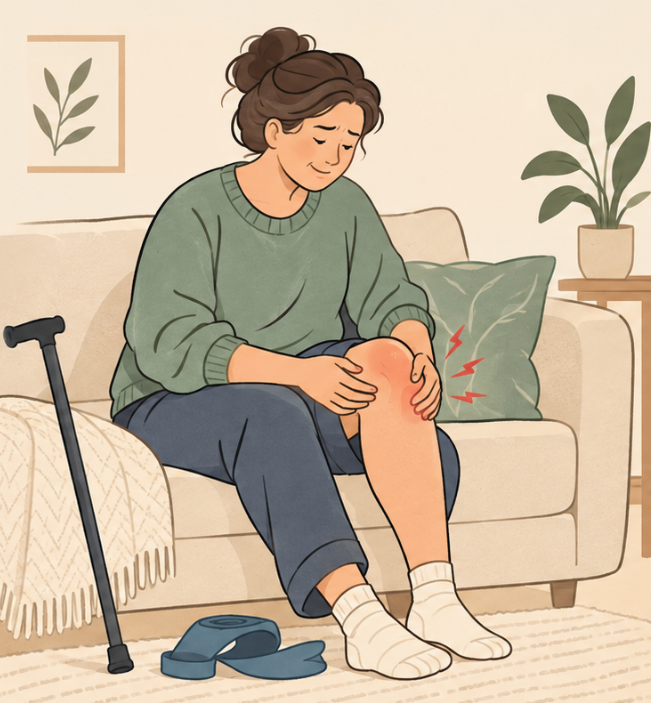
The symptoms of this condition can vary widely, but some signs are common. You might notice:
Persistent joint pain, especially in the knees, hips, hands, or spine.
Stiffness, particularly in the morning or after periods of inactivity.
Swelling or tenderness around the joints.
Reduced range of motion or difficulty moving the affected joint.
A feeling of warmth or redness over the joint.
These symptoms can develop gradually or appear suddenly. If you experience any of these signs regularly, it’s important to seek professional advice. Early diagnosis can make a significant difference in managing the condition effectively.

Effective Arthritis Management Techniques
Managing this condition involves a combination of approaches. I’ve found that no single method works for everyone, so it’s about finding what suits your body and lifestyle best. Here are some techniques that can help:
Physical Therapy and Exercise
Gentle exercises improve joint flexibility and strengthen muscles around the joints. Low-impact activities like swimming, cycling, or walking are excellent choices. A physiotherapist can tailor a program to your needs.
Pain Relief Options
Over-the-counter painkillers such as paracetamol or non-steroidal anti-inflammatory drugs (NSAIDs) can reduce pain and inflammation. Always follow medical advice on dosage and duration.
Weight Management
Carrying extra weight puts more stress on weight-bearing joints. Losing even a small amount of weight can reduce pain and improve mobility.
Heat and Cold Therapy
Applying heat can relax muscles and ease stiffness. Cold packs help reduce swelling and numb sharp pain.
Assistive Devices
Tools like braces, shoe inserts, or walking aids can support joints and make movement easier.
Lifestyle Adjustments
Avoiding activities that strain your joints and pacing yourself during daily tasks can prevent flare-ups.
Professional Support
Regular check-ups with healthcare providers, including osteopaths, can help monitor your condition and adjust treatments as needed.

What Foods Should I Avoid with Arthritis?
Diet plays a role in managing inflammation and joint health. Some foods may worsen symptoms or trigger flare-ups. Here are common culprits to limit or avoid:
Processed and Fried Foods
These often contain unhealthy fats that can increase inflammation.
Sugary Drinks and Snacks
High sugar intake is linked to increased inflammation and weight gain.
Red and Processed Meats
These can promote inflammation due to their high saturated fat content.
Excessive Alcohol
Alcohol can interfere with medications and worsen symptoms.
Certain Oils
Oils high in omega-6 fatty acids, like corn and sunflower oil, may promote inflammation if consumed excessively.
Instead, focus on a balanced diet rich in fruits, vegetables, whole grains, lean proteins, and omega-3 fatty acids found in fish and flaxseeds. These foods can help reduce inflammation and support joint health.
Understanding the Causes
The causes behind joint pain can be complex. This condition is not a single disease but a group of disorders affecting joints. The most common types include osteoarthritis and rheumatoid arthritis.
Osteoarthritis
This is the wear-and-tear type. It happens when the cartilage cushioning the joints breaks down over time. Age, joint injury, and repetitive stress can contribute.
Rheumatoid Arthritis
This is an autoimmune condition where the body’s immune system attacks the joint lining, causing inflammation and damage.
Other factors that can increase risk include genetics, obesity, infections, and certain occupations involving repetitive joint use.
Knowing the cause helps guide treatment. For example, autoimmune types may require medications that suppress the immune system, while osteoarthritis focuses more on physical management and pain relief.
When to Seek Professional Help
If joint pain affects your daily activities or worsens over time, it’s important to consult a healthcare professional. Early intervention can prevent further damage and improve quality of life.
A thorough assessment may include:
Medical history and physical examination.
Imaging tests like X-rays or MRI.
Blood tests to check for inflammation or autoimmune markers.
Based on the findings, your healthcare provider can recommend a personalised treatment plan. This might include medication, physical therapy, lifestyle changes, or in some cases, surgery.
Remember, managing joint pain is a journey. It requires patience, consistency, and sometimes adjustments along the way. But with the right approach, it’s possible to regain comfort and mobility.
If you want to learn more about effective pain relief and movement improvement, clinics like Langstone Osteopathy in Newport offer specialised support tailored to your needs. They work with a wide range of patients, from athletes to those with chronic conditions, helping them get back to their daily lives comfortably and confidently.
Comments